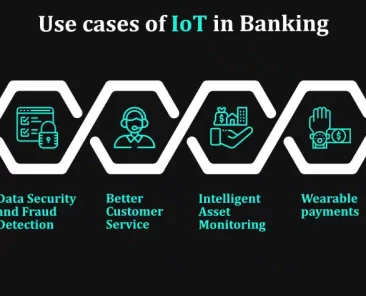
Banks use IoT technologies like telematics for risk assessment and M2M solutions for efficient operations.
Vidushi Gupta
Vidushi has spent nearly ten years building IoT systems for industrial environments — from early connected-device projects to full-stack hardware-software deployments. As CEO of PsiBorg, she has led the company’s growth from an early-stage IoT startup to a trusted industrial technology partner, working across manufacturing, agriculture, logistics, and industrial monitoring.
Over the last two years, her focus has shifted toward risk intelligence and industrial visibility — using real-time sensor data, geofencing, and automated escalation to help EHS teams and plant managers protect workers and improve operational visibility. This work has shaped PsiBorg’s connected solutions, including TrackLone, its lone worker safety platform, and getgeo, its industrial visibility solution.
Vidushi writes about industrial IoT, connected device strategy, and how real-time data is changing risk management across manufacturing, logistics, and industrial operations.
Latest Blogs:
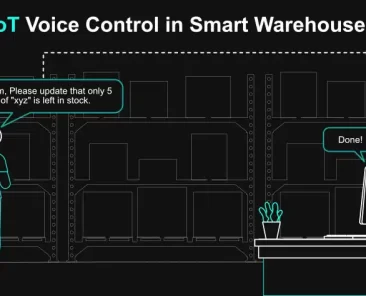
IoT voice control is the integration of a voice user interface into an IoT device.
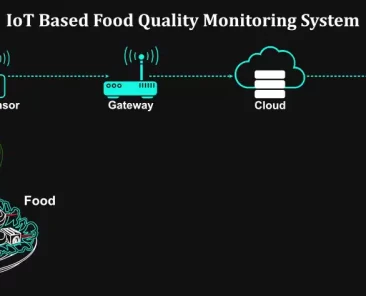
A smart food quality monitoring system helps ensure the freshness, nutritional value, and safety of food items.
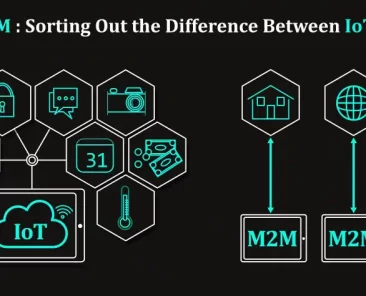
Which technology, M2M or IoT, is the preferred choice for your project? Read on to find the answer.
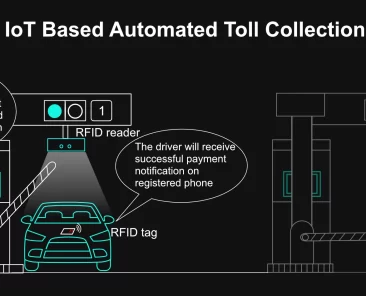
The automated toll collection system is designed to replace manpower with machines and make the entire toll collection and ticketing process more efficient.
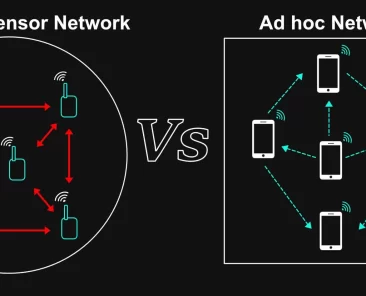
Wireless sensor networks are data-centric while ad-hoc networks are address-centric.
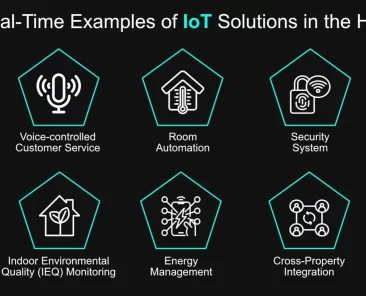
In smart hotels, IoT solutions are used to leverage a better guest experience, personalized services, and automation.
Vikram Lander is a good example of how sensors are making space exploration smarter, safer, and more efficient.